
Vanessa Carson
Vanessa Carson
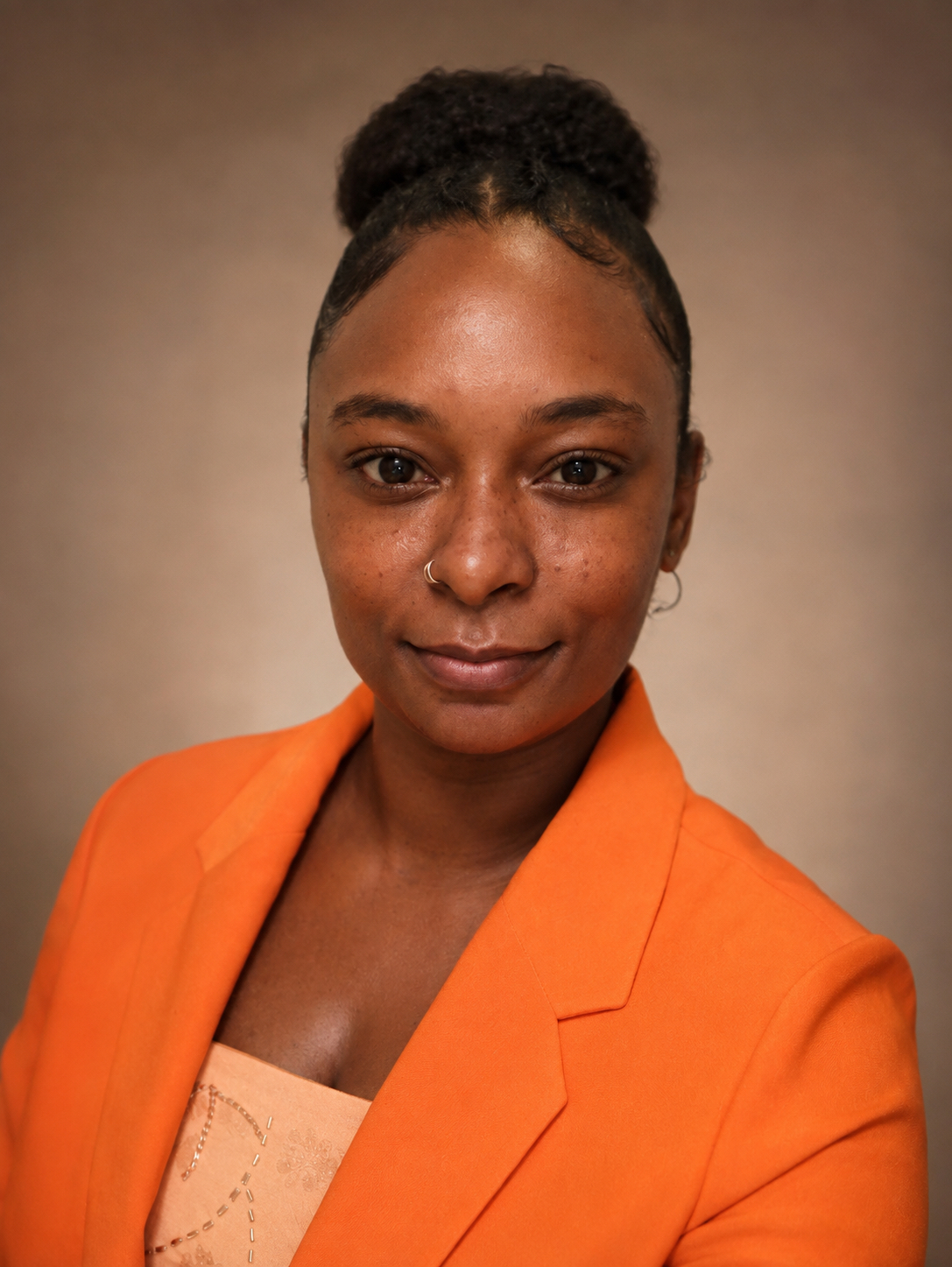
Vanessa Carson has been creating confidence through hair care for over a decade. An experience of her own led her to discover a passion for learning and doing hair, developed through both self-teaching and professional cosmetology courses. To Vanessa, the art of doing hair is much deeper than creating a style. It offers creativity, knowledge to gain and teach, greater self-confidence and self-love, and meaningful bonding between artists and clients. These bonds can reach across cultures and generations, extending beyond the styling chair and lasting a lifetime. She takes great pride in sharing these experiences and seeing others’ happiness and confidence in their final look.
SESSION OVERVIEW
Every Child Deserves Their Crown: How Culturally Responsive Hair Care Creates Belonging, Identity, & Healing for Black Children in Foster Care
For many Black children, hair is more than appearance; it is identity, culture, family, and connection. Yet children entering foster care are often placed with caregivers who have little or no experience caring for textured hair. When these cultural needs are overlooked, the impact can extend beyond physical care, affecting a child's self-esteem, sense of belonging, and emotional well-being.
This interactive workshop explores how culturally responsive hair care can become a powerful trauma-informed practice that promotes healing, trust, and connection. Participants will examine the historical and cultural significance of Black hair, understand the relationship between hair care, identity development, and attachment, and recognize how everyday caregiving practices can either strengthen or diminish a child's sense of belonging.
Through personal storytelling, discussion, practical demonstrations, and real-world child welfare scenarios, attendees will gain foundational knowledge of textured hair care, learn strategies for supporting Black children with cultural humility, and identify community resources that can assist caregivers in providing appropriate care. Participants will also reflect on their own assumptions and leave with practical tools they can immediately apply in foster care, behavioral health, education, and community settings.
The workshop concludes with a personal commitment activity that encourages participants to transform awareness into meaningful action. Whether serving as a social worker, therapist, foster parent, educator, or community partner, attendees will leave inspired and equipped to ensure that every child feels seen, respected, valued, and empowered.